
 Serg
Serg
Gallery



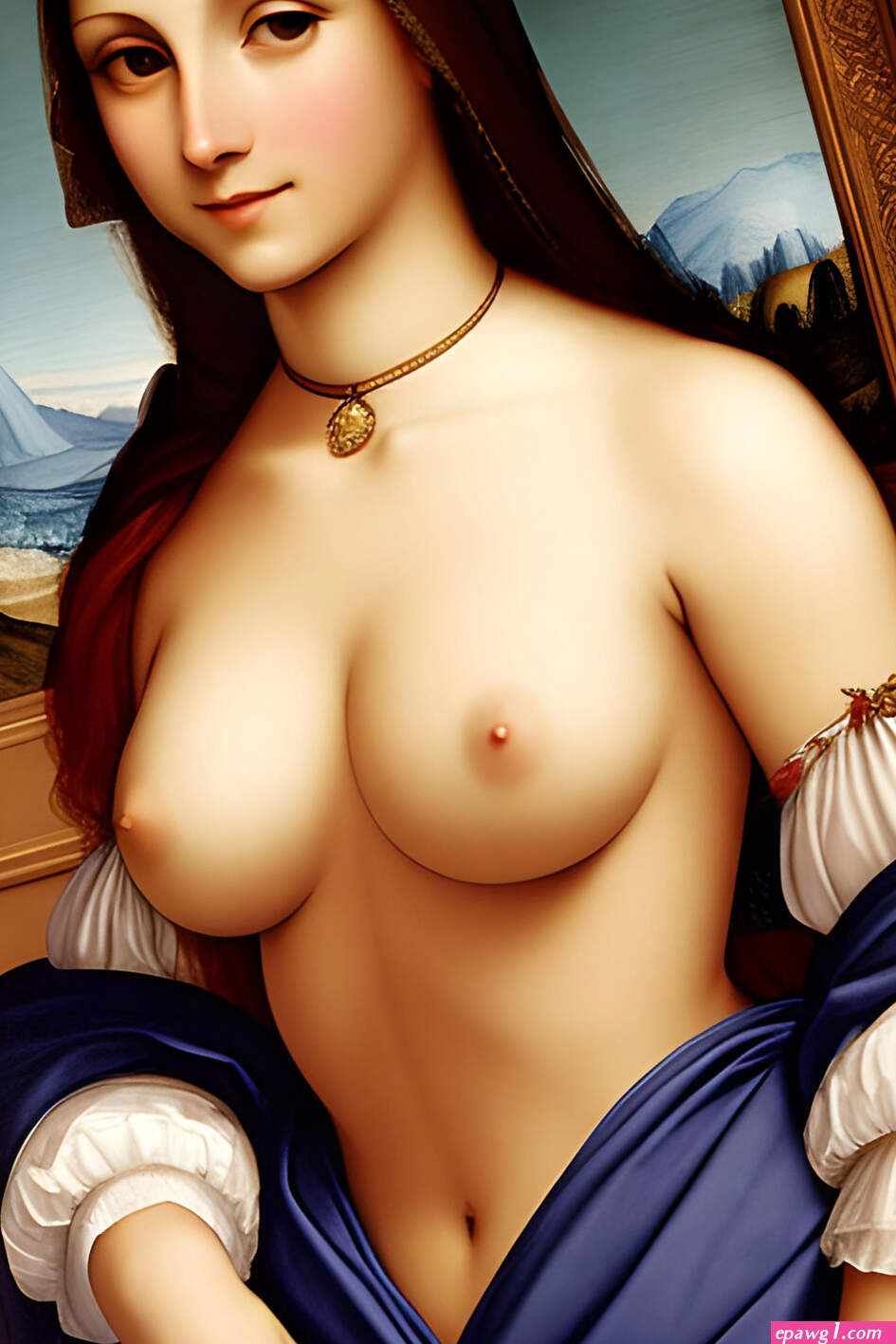

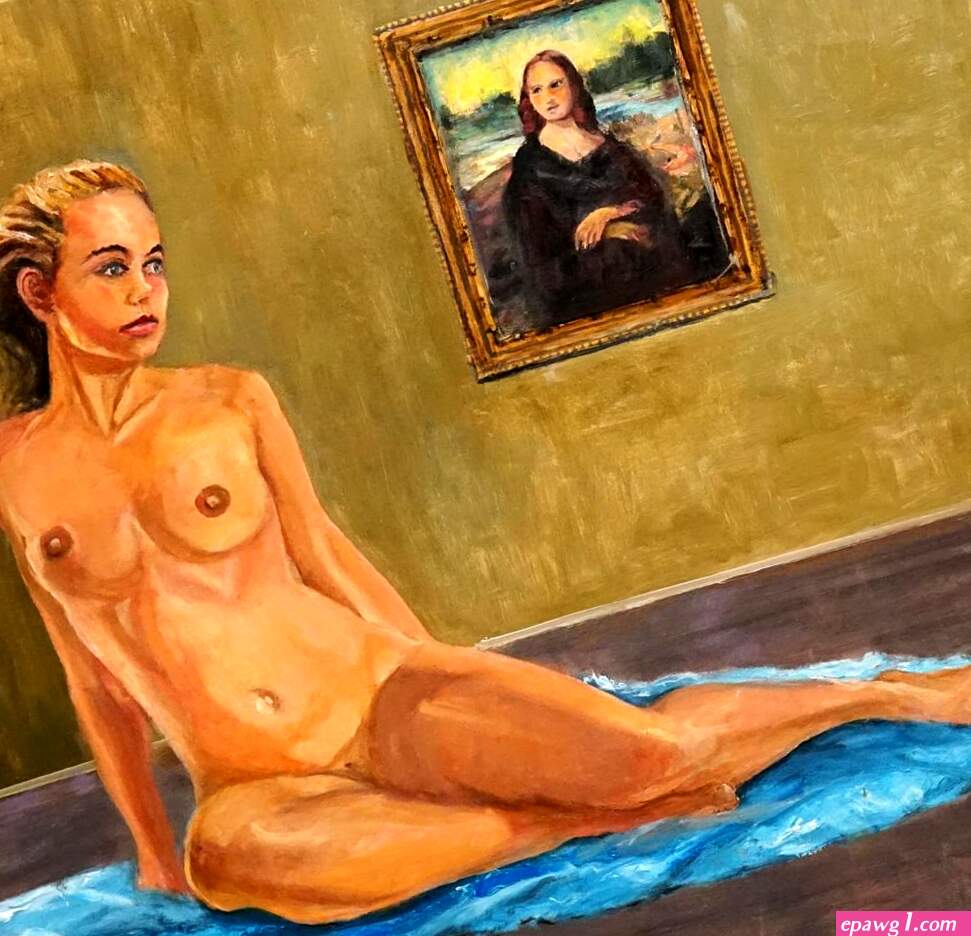







ncreased security after the recent heist has made the queues at the Louvre even slower, yet on this rainswept, very wintry morning, no one grumbles. After all, the Mona Lisa is waiting inside for all these tourists who have come from the world over. Leonardo da Vinci’s woman – swathed in dark cloth and silk, smiling enigmatically as she sits in front of a landscape of rocks, road and water – draws crowds like no other painting. But if the Mona Lisa can attract such attention fully clothed, what would the queues be like if she were nude?
You won’t find the nude Joconda at Houghton today. In 1779, Walpole’s art collection was sold to Catherine the Great and today it hangs at the Hermitage in St Petersburg, the nude Mona Lisa no longer attributed to Leonardo but . Yet, if the work is by a Leonardo imitator, was there a nude Mona Lisa by him to imitate? And if there was, why did Leonardo paint it and for whom? It is one of the most tantalising, and entertaining, mysteries in art – and I think I may have solved it.
The artist who drew the Chantilly nude doesn’t just emulate all that, but replicates it perfectly. This would be easy – if you had access to Leonardo’s studio, or if you actually were Leonardo. And the Mona Lisa was with him in Rome, just as it would be in France. He never gave it to Lisa’s husband. Its size – just 77cm by 53cm – made it easy to transport on his restless sojourns. One reason why he may no longer have thought of this as a portrait of Mona Lisa, when he talked to his Loire visitors, is because it no longer was: he’d added so many touches over the years, transfiguring the original, that she’d become in his mind someone else, his dream.
So the creator of the Houghton painting must have worked from the Chantilly sketch, or from a nude painting based on it. In other words, it seems highly probable that Leonardo, perhaps helped by his pupils, painted this nude Mona Lisa.
When I was investigating the decadent delights of high Renaissance Rome recently, I realised with a shock that this work is basically a nude Mona Lisa. That little smile echoes Leonardo’s masterpiece. She sits calmly, her eyes and nose as clearly defined as Leonardo’s model, sporting transparent silk like the veil that covers the Mona Lisa’s head. Francesco del Giocondo was a silk merchant and that may be why Leonardo draped her in the material, while also being enchanted by the optical possibilities. Both these “half naked” women, in Horace Walpole’s words, sit with their clothes around them, thrown off.